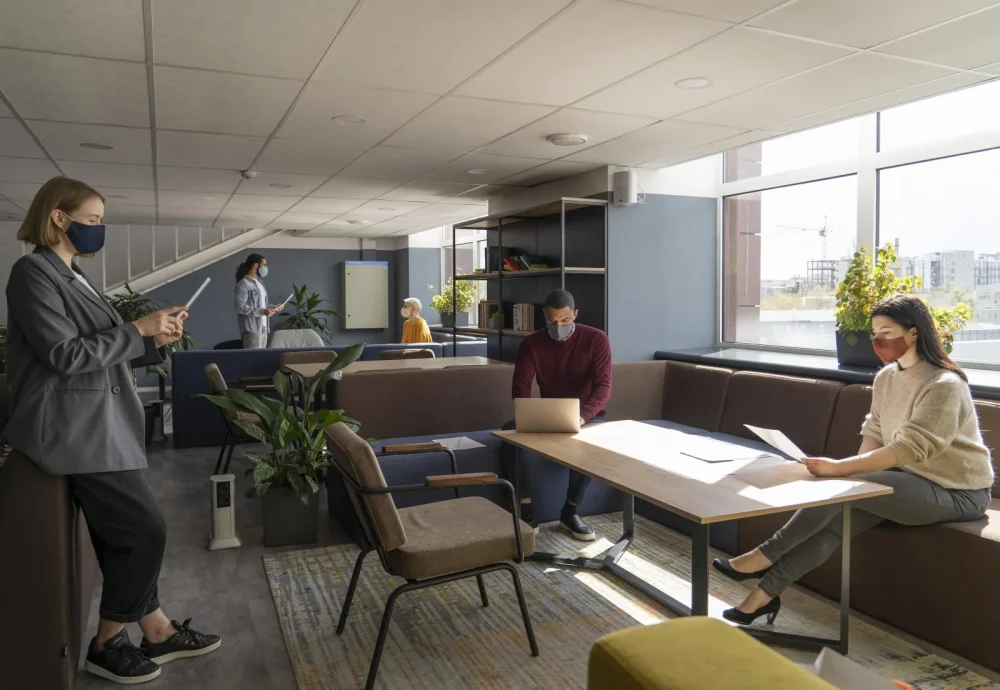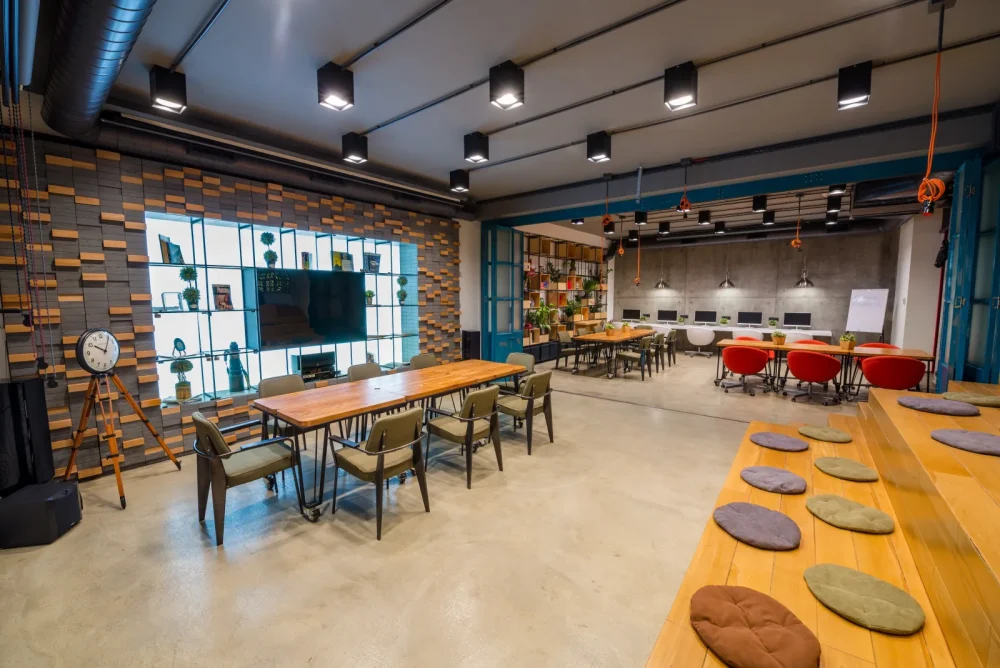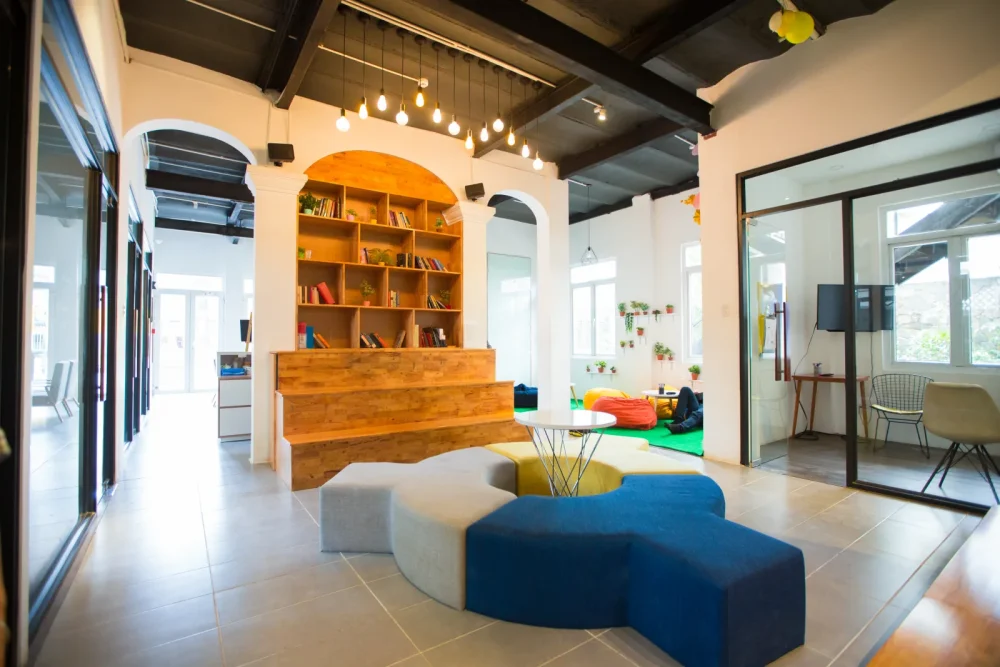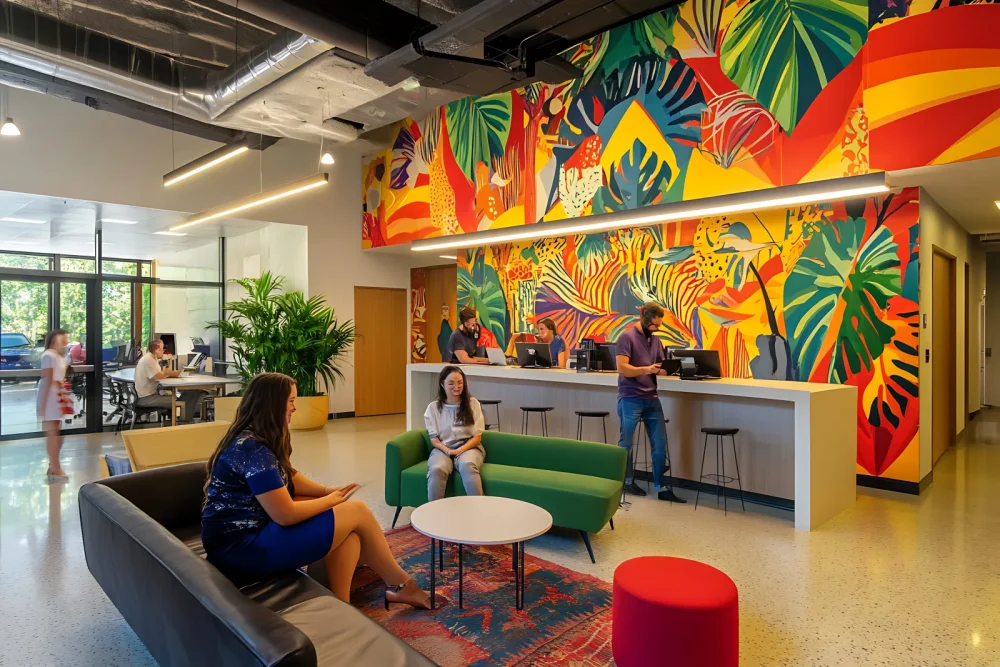

Most offices do not fail loudly. They fail quietly: in the meeting room nobody books, at the desks people avoid, in the slow drift of teams back to working from home. After dozens of Design and Build projects across Algeria, we have learned to read the early signals. Here are five worth acting on.
1. The best people arrive late and leave early
When a workspace gives people no reason to be there, presence becomes a formality. The office should offer something the kitchen table cannot: focus zones that actually protect focus, collaboration spaces that make working together faster, and a sense of belonging you can feel at the door.
2. Every meeting happens in the same two rooms
If ten rooms exist and two are used, the problem is not demand. It is fit. Rooms sized for eight people host meetings of three. Video calls happen in spaces designed before video calls existed. Observing how rooms are really used, then resizing and re-equipping them, routinely recovers 20 to 30 percent of usable space.
3. The space says nothing about who you are
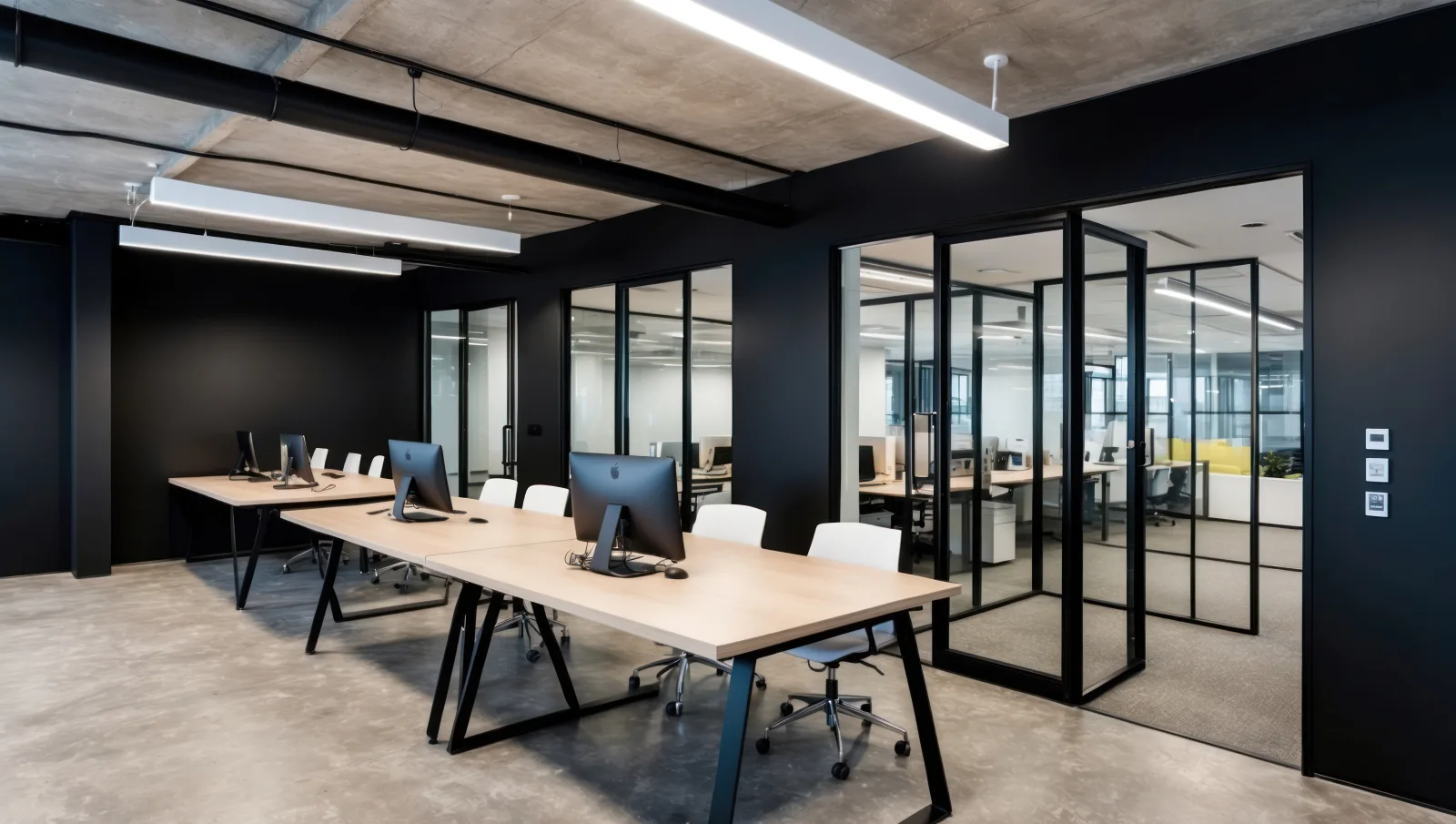
A visitor should understand your culture within thirty seconds, before anyone speaks. Materials, colours, art and layout carry identity. When the office could belong to any company in any industry, it quietly tells your teams and your clients that identity is optional.
4. Small frictions have become normal
Cables that do not reach. Chairs that hurt after two hours. Lighting that flattens everyone at 4 pm. None of these reach a steering committee, yet together they shape how people feel about coming in. Comfort is not a luxury; it is the baseline that makes everything else credible.
5. Nobody measures anything
Occupancy, booking patterns, acoustic comfort, satisfaction: workplaces produce data every day. Without it, every layout decision is a guess. Our People pillar starts with diagnostics precisely because a workspace strategy grounded in real behaviour outlives any trend.
Where to start
You do not need to rebuild everything at once. Start with a diagnostic: how the space is used today, what your teams need, and where the gaps are. From there, the path from quick wins to a full transformation becomes a decision, not a leap of faith.