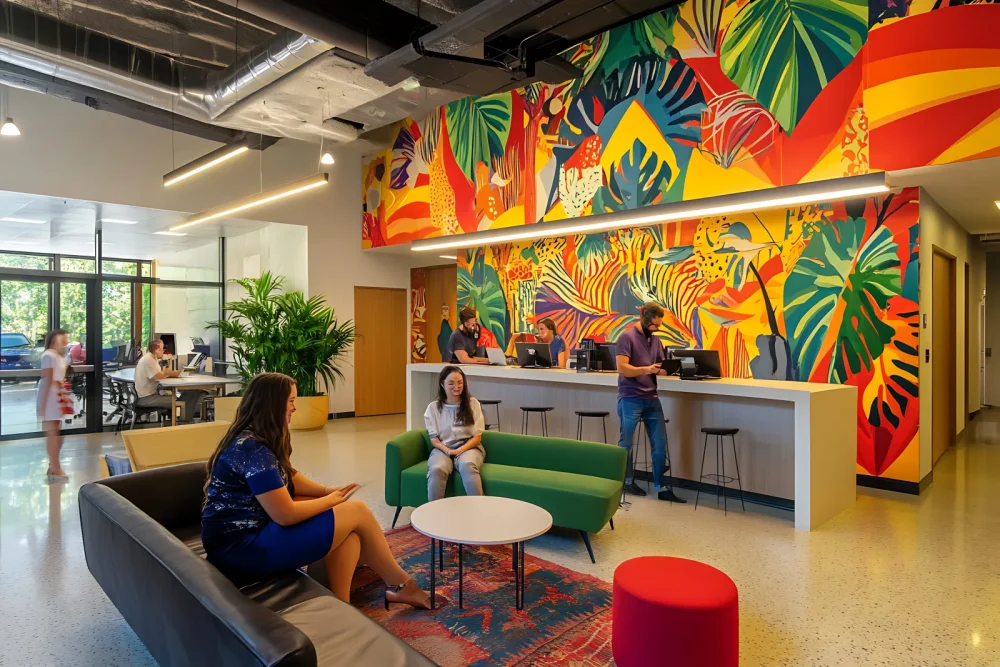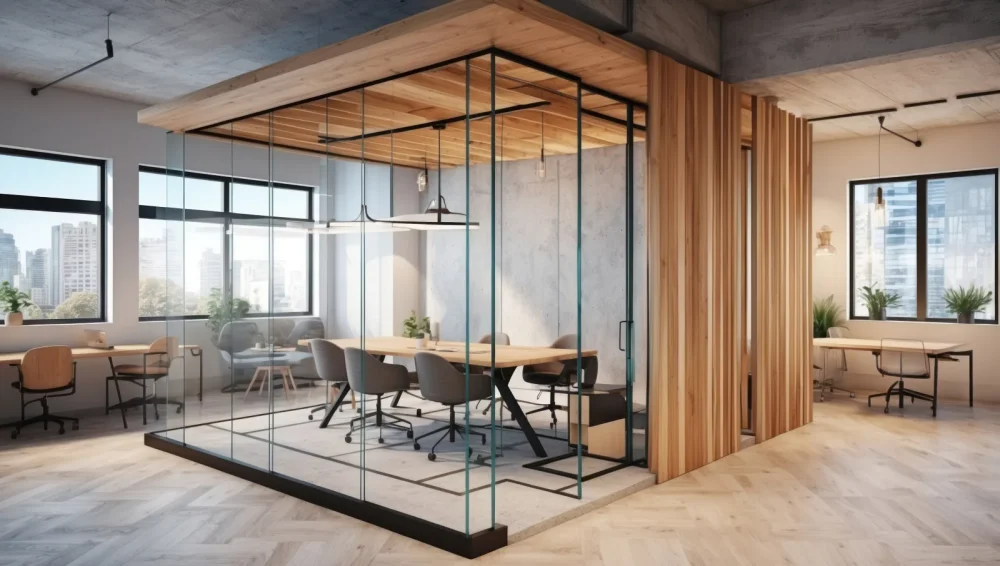
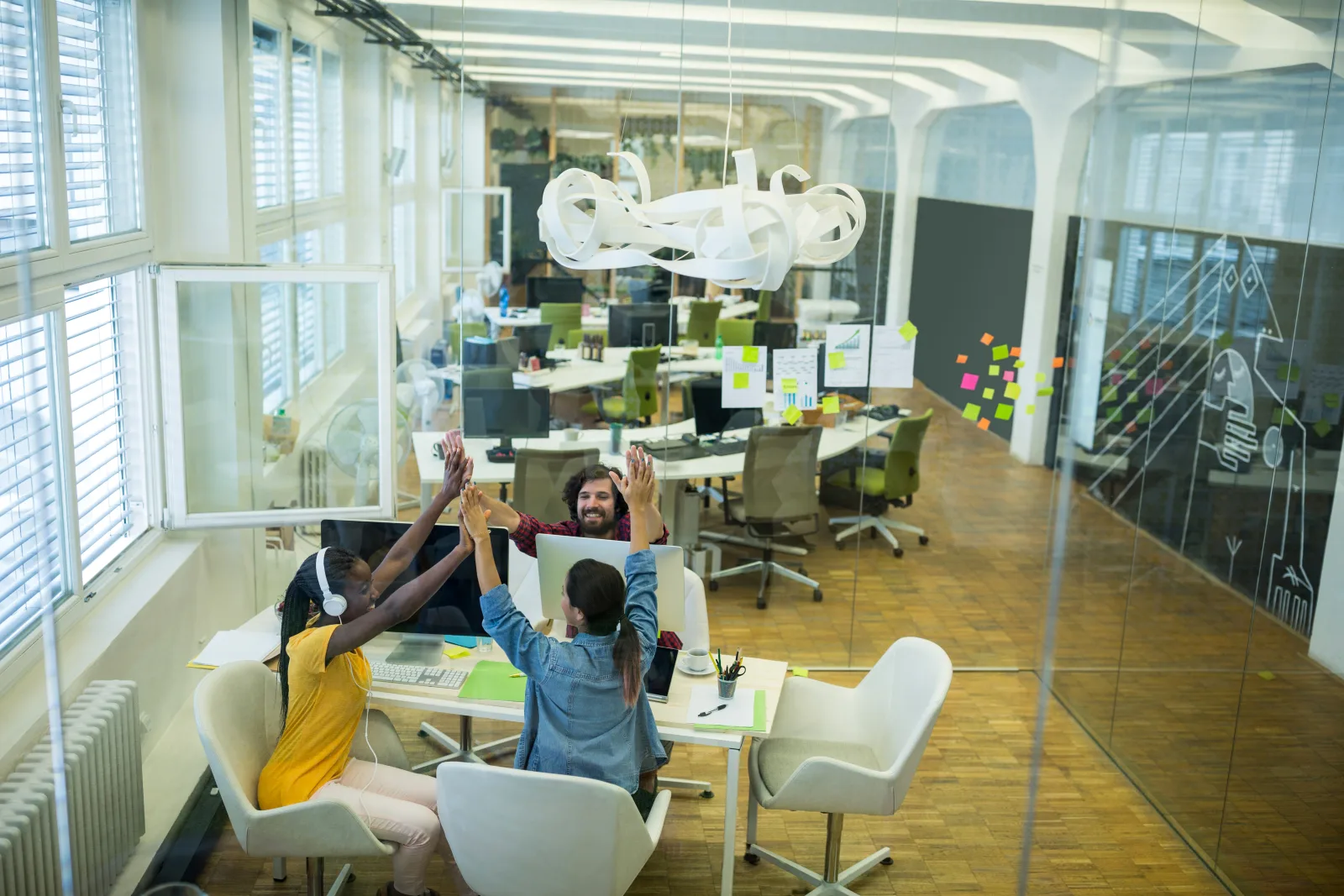
In 2016, Steelcase, the global leader in professional furniture, launched a report on the employee engagement index within companies across 17 countries on 5 continents.
The results demonstrate 5 key indicators, one of which highlights the correlation between the notion of engagement and the satisfaction of working in a comfortable space (Workplace satisfaction).
While organizational performance is analyzed through numerical indicators, today it is crucial for companies to attract talent. This attractiveness depends on the means implemented to attract, retain, and foster the growth of individuals within an environment conducive to development.
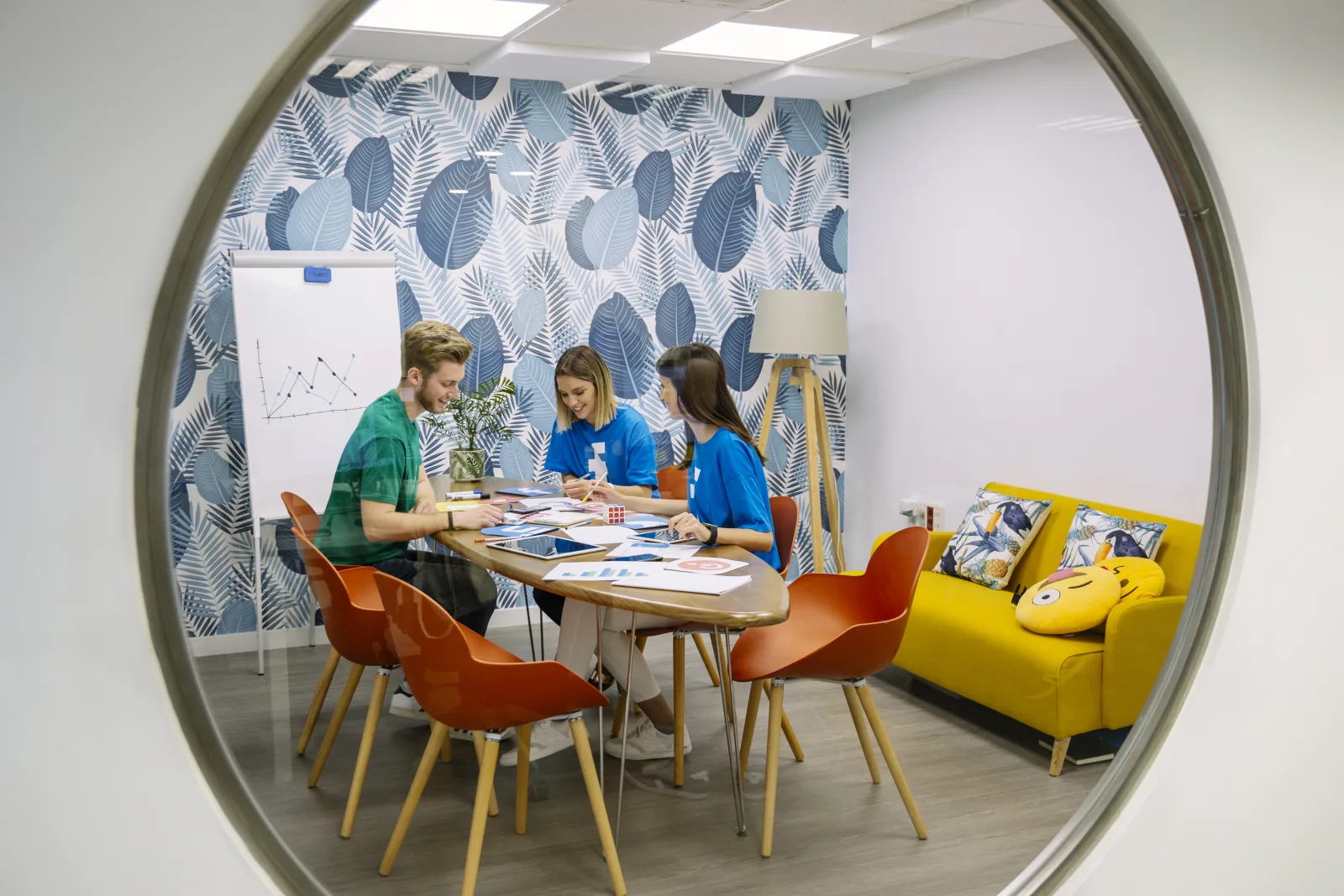
The second indicator demonstrates that an engaged employee has more control over their progression within the company that employs them. The company is a living space where social bonds, depending on the cultural context, remain important; growth and sustainability are no longer entirely synonymous with numerical data. Management is being transformed as the barriers between leaders and the “led” are broken down. Making way for kindness, active listening, empathy, and agility.
All of this is no longer applicable in a workspace that does not promote reflection, development, and comfort.
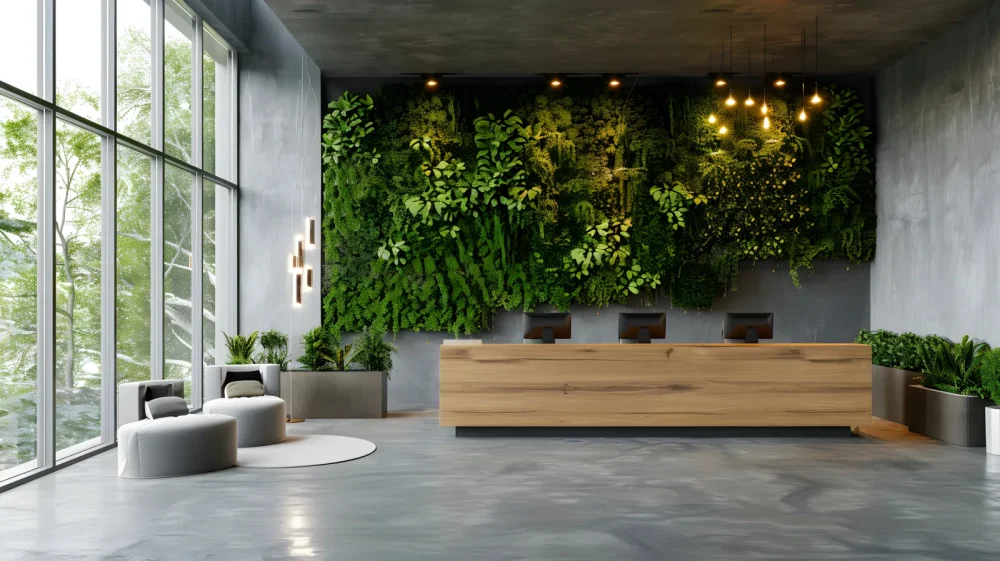
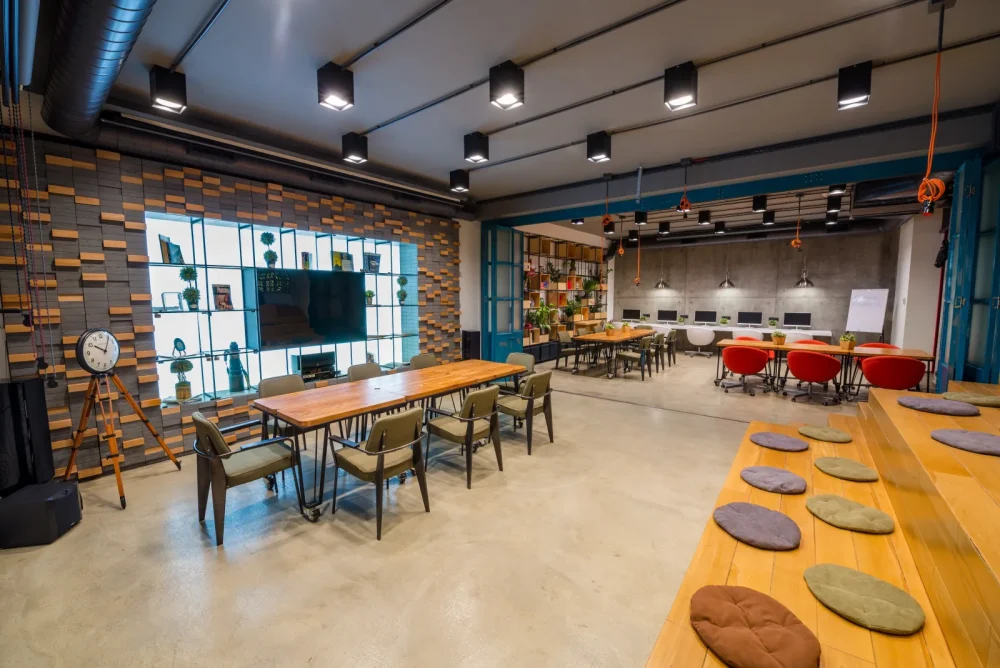
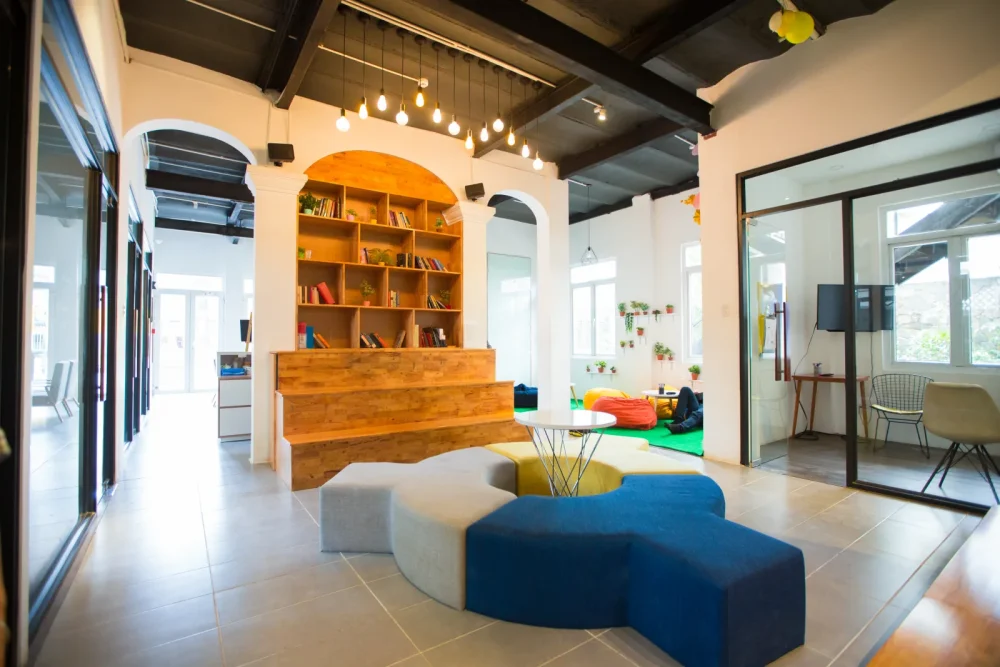
The data also highlights the need to juxtapose organizational structures and workspace layouts; one cannot go without the other. Comfort and ergonomics help foster connections, create proximity, and showcase the organization’s brand image, with the constant ambition and drive to engage employees with their employers.
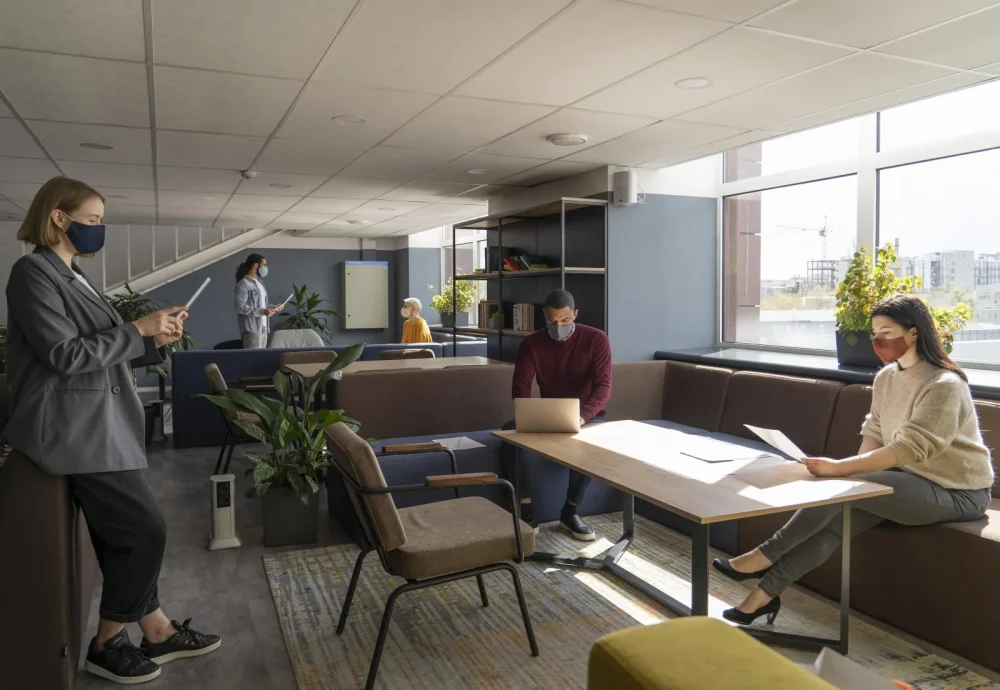
Finally, workspace design is also a way to adapt to the crises a company may face by rationalizing its spaces or by adapting to health crises where they must combine remote work and on-site work.