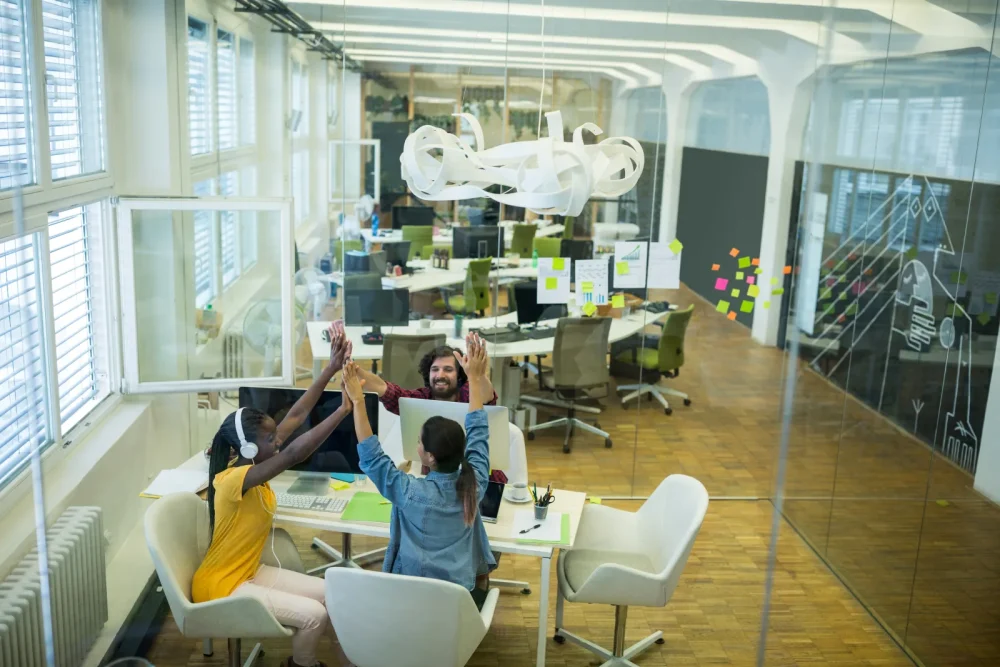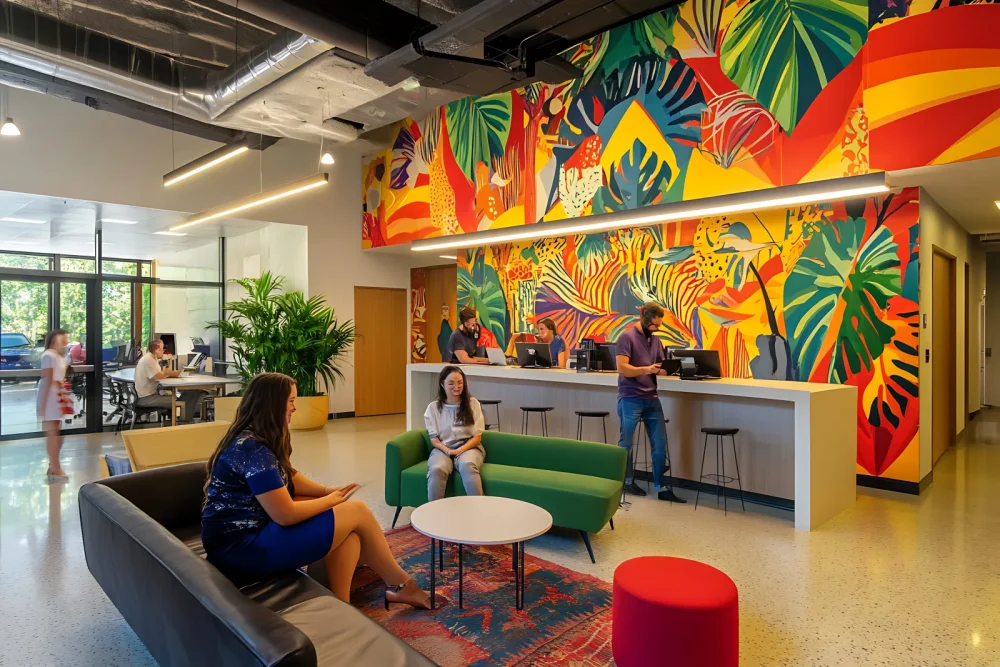
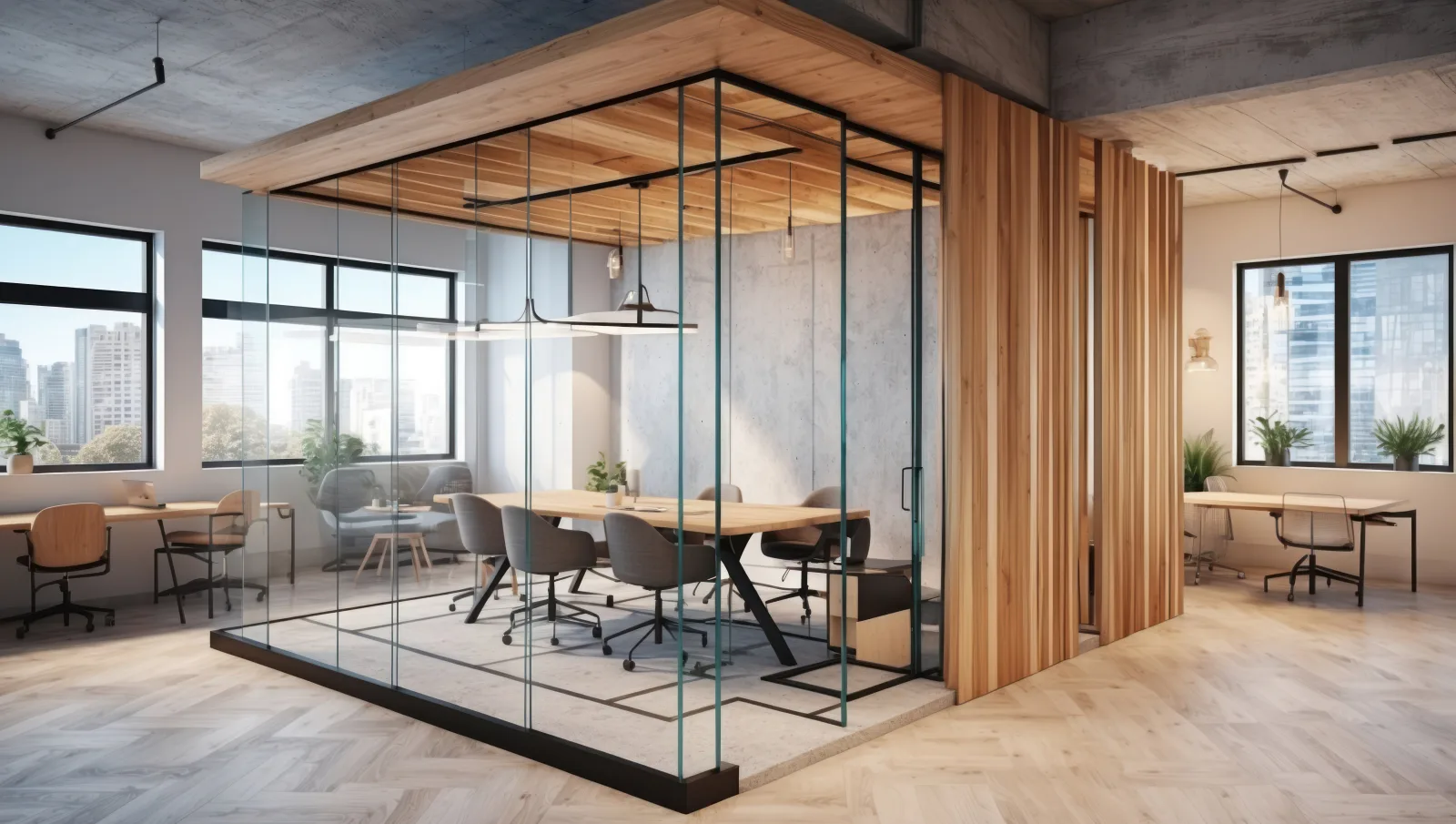
In a world that is constantly evolving, the company is reinventing new trends both in its management and in its spatial functioning.
Transforming, experimenting, and adapting are words we hear everywhere now; a world in transformation is an economy inevitably accompanied by new practices. Consequently, the company is involved from the outset as it is the engine of the economy. The adaptation of these new practices, in both operations and management, highlights the importance of agility in workspaces.
What can be known about agile spaces?
- Juxtaposition of agile management practices in the workspace: integrating spaces and features that allow for quick gatherings of project teams; implementing agile processes in flexible spaces;
- Many know the famous expression taken from the book’s title:
L’Openspace m’a tuer
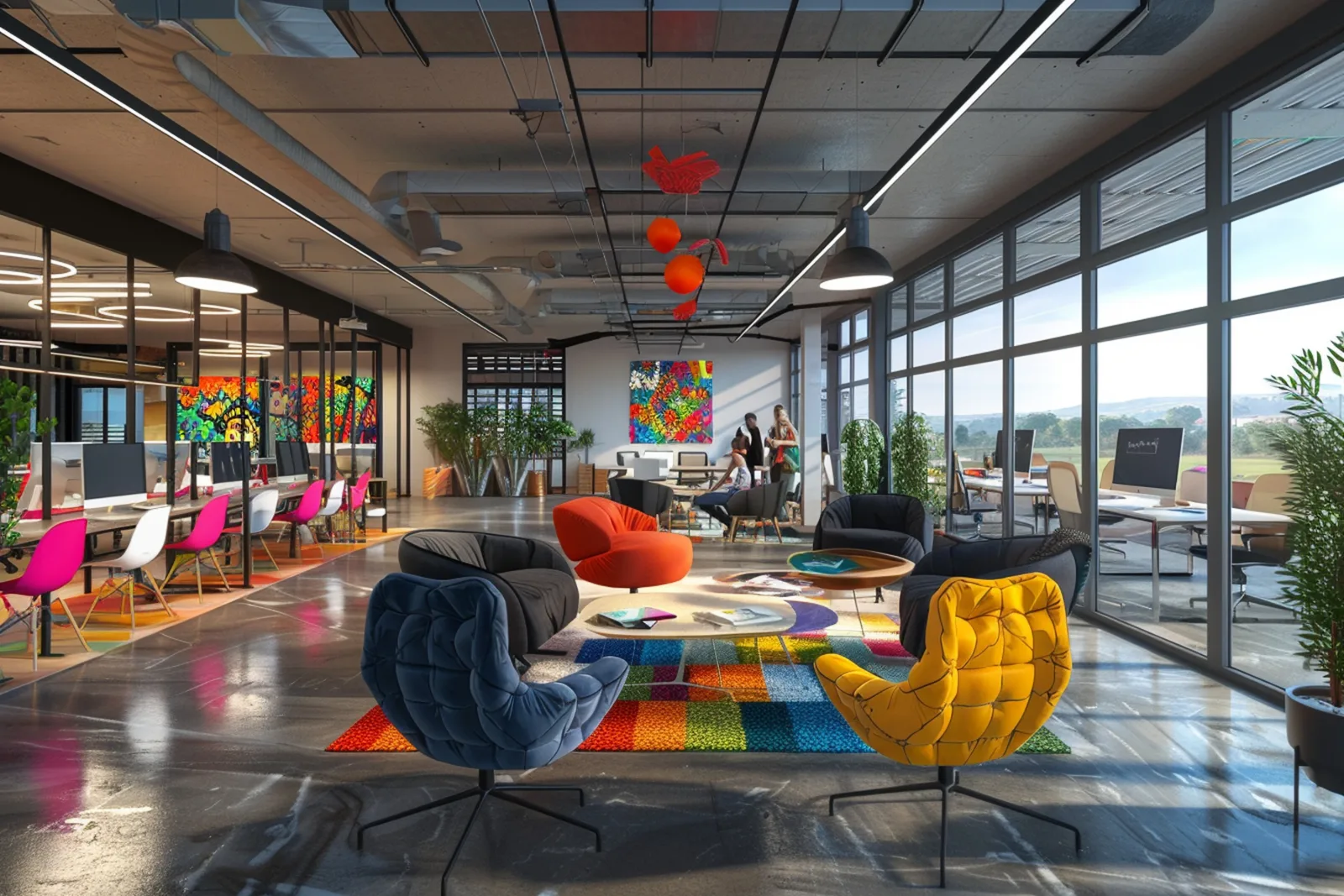
Does an agile space necessarily involve an open-plan office?
Rhetoric relative to the field of activity and the way space is used, open-plan offices are today controversial for cultural reasons but also due to a lack of understanding of their use; they are not mandatory but imply new behaviors.
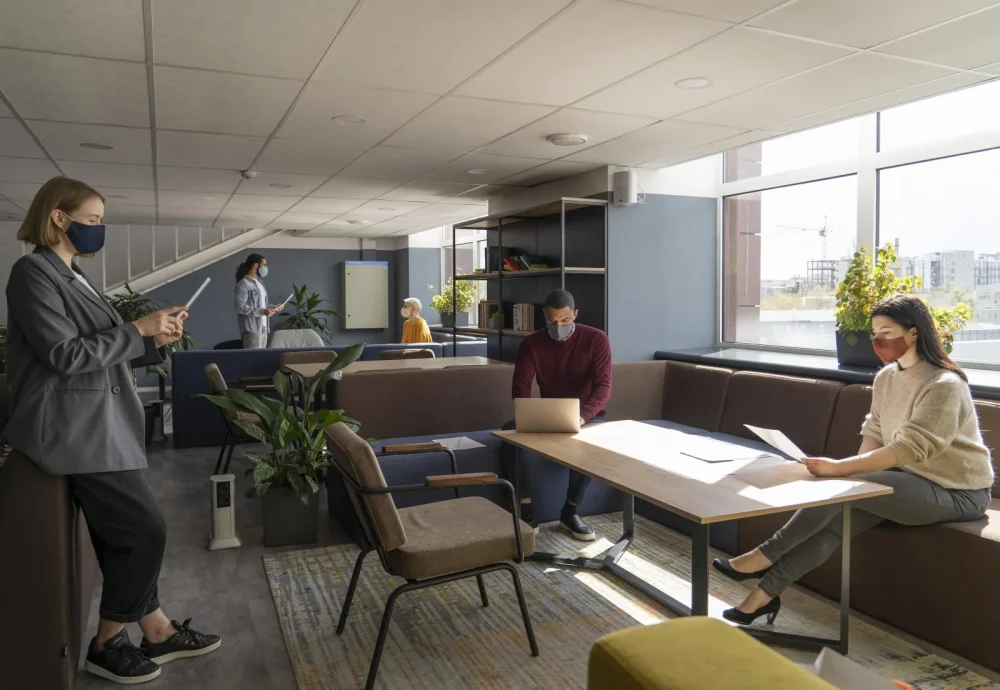
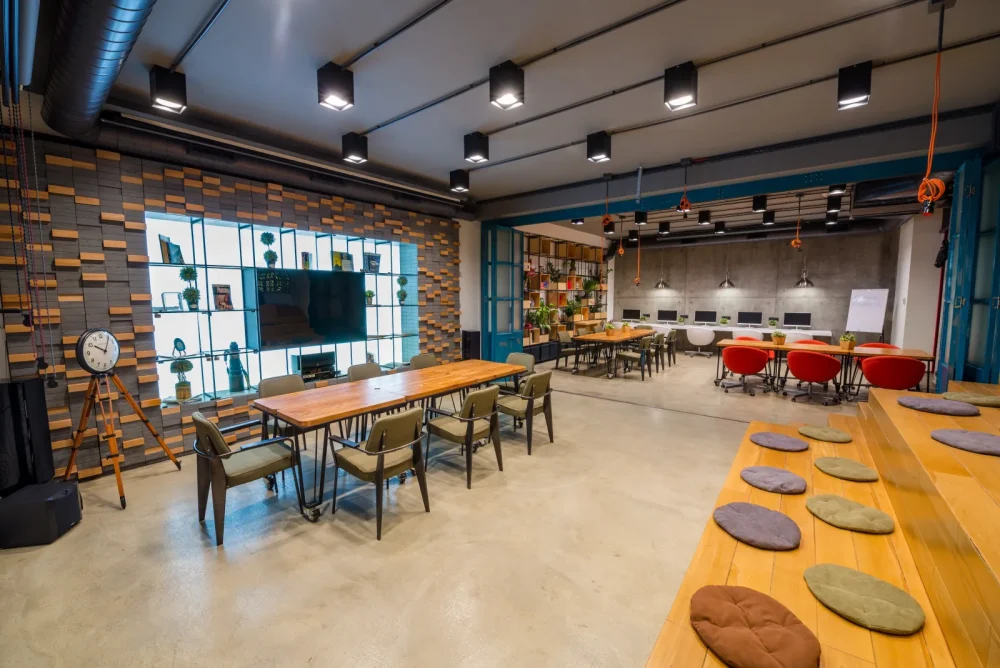
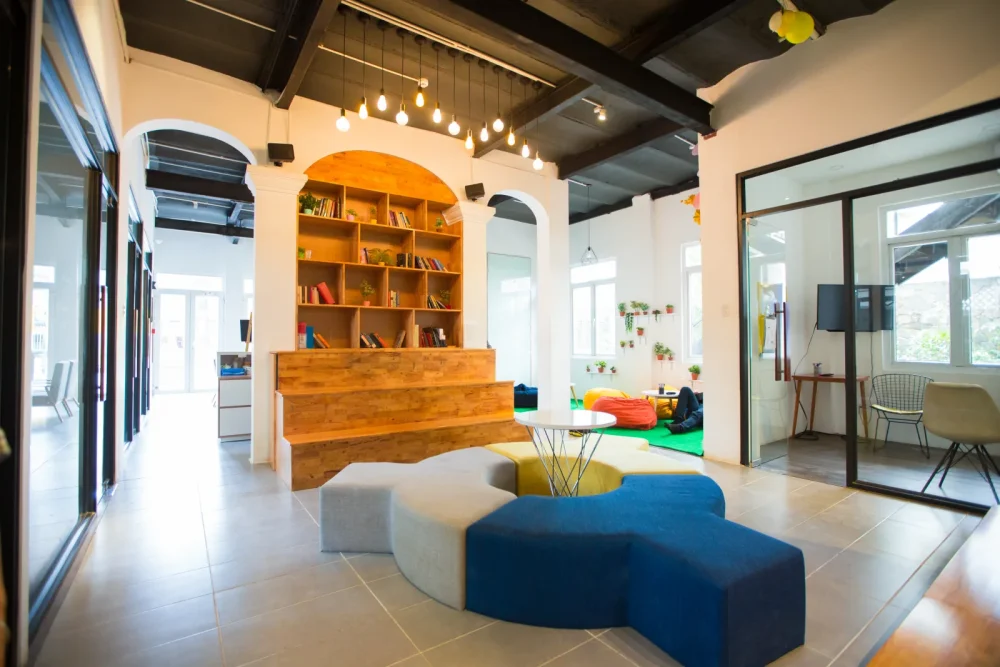
The designer has a dual mission: to respect the company’s organizational model while also designing secondary spaces that facilitate individual, semi-collective, and collective-collaborative uses; (brainstorming spaces, informal spaces, project zones, etc.).
- A transversal organizational model is immediately considered agile since it operates at the level of the company’s backbone; its functioning must be reflected in its operational zone, and therefore its workspace. A pyramidal mode or a transversal mode will operate differently and act differently within a space.
- Change management: if you have not yet made the transition to agile spaces, remember to effectively communicate the purpose of each area at its true value; it is essential to clearly explain the intent and function of every designed space. An unused space is a waste of space and money; the real value of agile spaces lies in the interactivity created through various experiences between users.
What needs to be remembered is quite simple: agility is not necessarily synonymous with total openness; the importance of properly designing agile spaces lies first in understanding the organizational model before standardizing it.
It is relevant to consider the function of each space and to create rest and/or recreation areas that allow for breaks during sequences of intense production in open-plan offices; it is also possible to have fun at work if the space is suitable for it.
It is all the more important to properly support teams through change since they are being encouraged to change their behavior in a new professional environment.
Agile space or traditional partitioned space, one does not preclude the other!